Digital Art Trends 2026
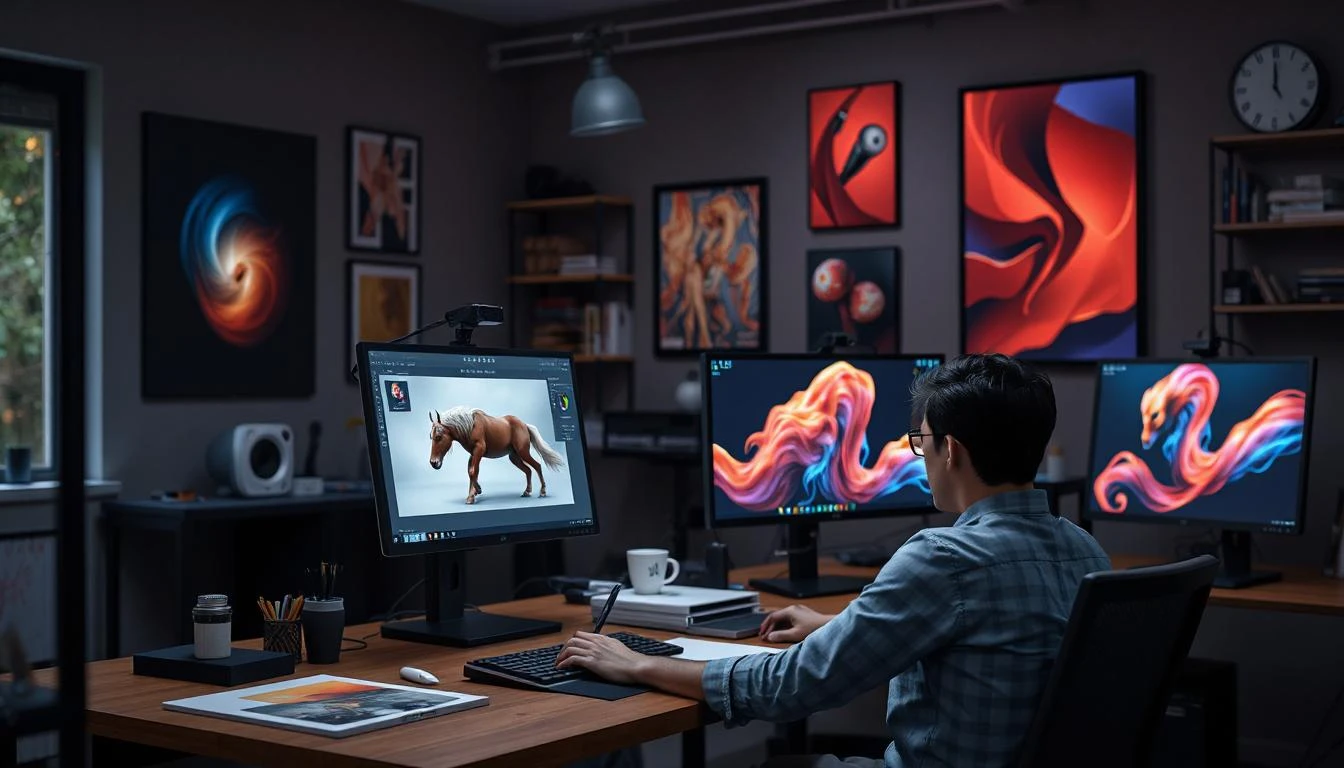
The digital creative landscape is shifting faster than most people can process. Every scroll, every visual interaction, and every online marketplace transaction is now part of a larger creative evolution driven by intelligent systems and human imagination working side by side.
What once belonged to niche digital communities has now expanded into a global ecosystem where artists, brands, and audiences constantly influence each other. In this environment, creative technology innovations are not just tools, they are the foundation of how modern digital culture is built, shared, and monetized.
The New Era of Digital Art Creation
The way digital art is created today feels almost unrecognizable compared to just a few years ago. New tools, smarter systems, and adaptive platforms are reshaping creative expression into something more fluid, more responsive, and more interconnected than ever before.
In this evolving environment, creators are no longer working in isolation. They are part of an intelligent ecosystem where inspiration, execution, and distribution happen almost simultaneously. This shift is redefining what it means to be a digital artist in 2026.
The rise of AI generated artwork has accelerated this transformation, allowing creators to generate complex visuals in seconds while still maintaining artistic intent and emotional depth.
As Adobe’s Chief Futurist, Scott Belsky, once said, “The future of creativity is not about replacing artists, but amplifying their imagination through better tools.” That idea is now fully visible in today’s digital workflows.
AI powered artistic workflows
Modern creative pipelines now integrate intelligent automation at every stage. From concept generation to final rendering, AI systems analyze prompts, styles, and emotional tone to assist artists in producing refined outputs faster than traditional methods.
These workflows are deeply connected with creative technology innovations, enabling artists to experiment without technical limitations slowing them down.
Hybrid traditional and digital techniques
A fascinating shift is happening where sketchbooks meet algorithms. Artists are blending hand-drawn textures with digital rendering engines, creating hybrid artworks that feel both human and computational at once.
This balance allows creators to preserve emotional authenticity while still leveraging the speed and precision of modern tools.
Creative experimentation through technology
Experimental platforms now allow artists to generate hundreds of variations of a single concept. This encourages risk-taking and visual exploration that was previously impossible in traditional studios.
Digital Art Communities and Platforms
Digital art is no longer just about individual creation, it is about connection, interaction, and shared evolution across global platforms. Communities now function as living systems where creativity flows continuously between users.
In this space, collaboration is not optional; it is the core mechanism that drives innovation forward. Artists constantly influence each other through feedback loops, shared assets, and real-time co-creation.
The expansion of AI generated artwork across platforms has made creative participation more inclusive than ever before.
Artist collaboration networks
Modern collaboration networks allow artists from different continents to work on the same canvas in real time. These systems are powered by cloud-based tools that eliminate geographical barriers.
This interconnected structure is a direct outcome of creative technology innovations, making collaboration seamless and scalable.
Global creative inspiration sources
Inspiration is now algorithmically curated. Platforms analyze global visual trends, cultural movements, and user behavior to recommend creative directions tailored to each artist.
This ensures that digital art remains culturally relevant while still encouraging originality.
Audience engagement through social media
Social platforms have transformed into interactive creative arenas. Audiences no longer passively consume art, they react, remix, and reinterpret it in real time.
As media researcher Henry Jenkins once noted, “Culture today is participatory by design.” That principle is fully embodied in modern digital art ecosystems.
Digital Art Communities and Platforms (Extended Insight)
The digital ecosystem continues to expand as creators adopt decentralized tools and immersive engagement systems. This evolution strengthens the role of AI generated artwork in shaping interactive storytelling experiences.
Artists are now thinking beyond static visuals and focusing on adaptive content that evolves based on audience interaction.
Commercial Opportunities in Digital Art
The commercial side of digital art has entered a new phase where creativity is directly tied to economic ecosystems powered by blockchain, AI, and global marketplaces.
Artists are no longer dependent on traditional gatekeepers. Instead, they operate in open systems where visibility and engagement determine success.
This shift is heavily influenced by creative technology innovations, which enable scalable monetization models across platforms.
Digital collectibles and ownership models
Ownership in digital art has evolved into dynamic and programmable assets. Collectibles are no longer static files but interactive experiences that evolve over time.
These systems rely heavily on AI generated artwork to create adaptive and personalized visual assets.
Brand collaborations with artists
Brands are increasingly collaborating with digital creators to produce immersive campaigns that blend storytelling and interactive design.
This synergy benefits both sides, brands gain authenticity, while artists gain global exposure.
Monetization through online platforms
Subscription models, tokenized assets, and microtransactions now define how digital artists earn income.
These systems are powered by creative technology innovations that enable direct-to-audience monetization without intermediaries.